
Find Tualatin Residents Through Records
No single municipal roll lists everyone in town. That is the first thing to accept. An address question is really a parcel question. Begin there and note the county, situs address, account or tax-lot number, and legal description. A person question is different. Keep the exact name spelling, the time period, the county, and the person's role in one place. A deed party, court party, marriage record, or permit file each answers a different kind of question. Two independent custodians agreeing on the date, tax lot, or party role make a match far more credible.
Recorded ownership is not occupancy. A tax mailing address can differ from the property location. A permit applicant or business contact may not live there. When an online entry looks incomplete, take the gap to the office that keeps the record. Do not fill it in from a directory listing.
- Confirm whether the address belongs in Washington or Clackamas County.
- Use the county address or tax-lot tool to identify the parcel and its record keys.
- Ask the recording office for the identified deed or other recorded document.
- Use the proper state or county channel for voter, court, or vital-record questions.
- For older research, move to archives, the library, or a precisely described records request.
Tualatin Records Cross a County Line
Tualatin sits mostly in Washington County. The City draws the divide along SW 65th Avenue beside Meridian Park Hospital, placing east-side addresses in Clackamas County and west-side addresses in Washington County. That line decides the assessor. It also decides the recording office, circuit court, elections office, and map system for the same street. A Tualatin postal address alone never picks the custodian.
On the Washington side, the county GIS gateway opens two mapping routes. Intermap is the property and tax-lot research tool. Survey Explorer adds separate map context. Its layers include surveys, plats, county roads, road dedications, public-land corners, and Donation Land Claims. Neither is a street roster. Both organize parcel evidence. When an annexation, postal label, or historic place name muddies a street, the tax lot and legal description hold a Tualatin record trail together.
The Washington County GIS hub posts the official mapping routes for the Washington-side portion of a Tualatin residents directory search.
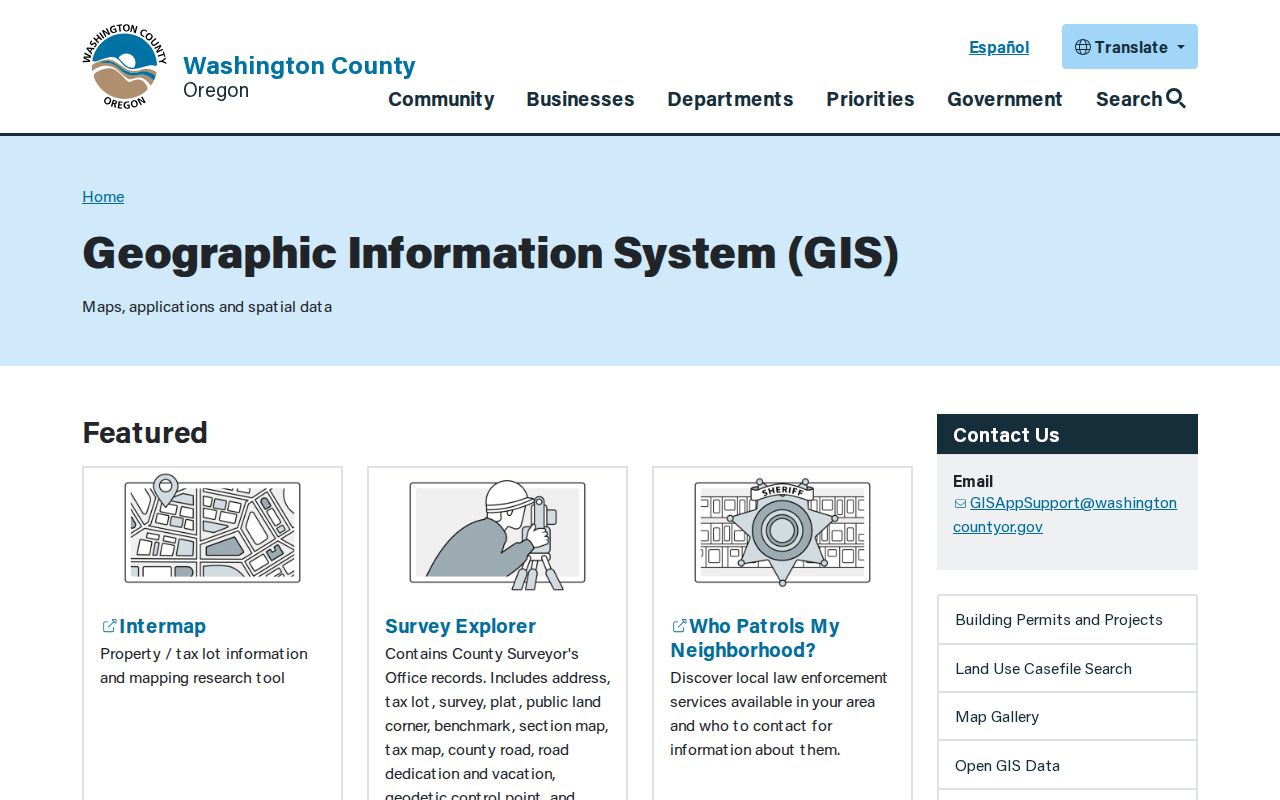
The map tools sort parcels, not people. An east-side parcel sits in Clackamas County. Begin at Clackamas County GIS and confirm the county before requesting any record.
Note: Capture the county and tax lot before comparing any property, court, or election record tied to a Tualatin address.
Tualatin Address Records in Intermap
Most Tualatin parcels follow a clear county route. Intermap searches by Situs Address, Account Number, or Tax Lot ID. Choose the location and open Additional Information. The Assessment & Taxation Information subreport there can supply general property information, sales and deed information, assessed values, and improvement information, per the county. It is property-first, not a name-to-address search.
Owner questions take a different path. The county directs them to customer-service computers, a phone call, or e-mail, while the public map carries the parcel record and its identifiers. Each channel has its own job. A mailing address is correspondence evidence, never proof that a person lives at the situs address.
| Intermap step | Input or result | What it supports |
|---|---|---|
| Search key | Situs Address, Account Number, or Tax Lot ID | Locates the parcel record |
| Map Location | Select the returned property | Connects the address to the mapped parcel |
| Additional Information | Open the Assessment & Taxation subreport | Shows county-described property, sale, value, and improvement data |
| Owner-information route | Lobby computer, phone, or e-mail | Requests tax-purpose ownership assistance |
The county property FAQ documents those Washington-side search pathways.
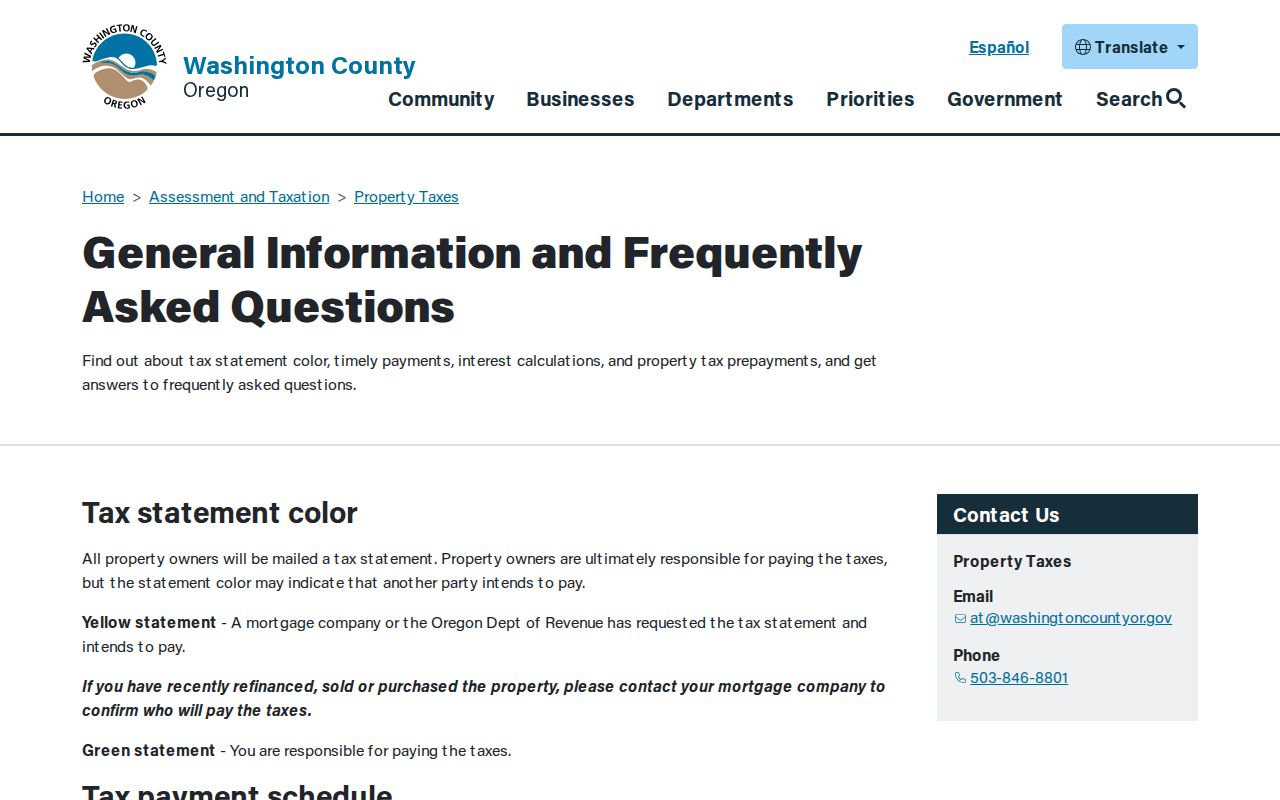
Keep the search key and tax-lot details on hand. They sharpen the next request to Cartography, Recording, a City permit file, or an archive.
- Parcel
- A mapped unit of land used in the county tax system.
- Situs address
- The physical location of a parcel, which can differ from a mailing address.
- Tax lot
- A county identifier that connects the map, assessment record, and legal description.
- Recorded index
- A finding aid that points to a document or book and page rather than a complete household list.
Tualatin Resident Records Offices
Let each office own its question. A Washington-side address starts with Assessment & Taxation and Cartography, while Recording holds deeds, mortgages, contracts, tax liens, marriage documents, and domestic partnerships. Voters get self-service or a requested list. Oregon elections keeps the two routes separate, and Clackamas County controls eastern Tualatin, so a Washington County result never crosses the line.
Washington County Recording
155 N First Avenue, Room 130
Hillsboro, OR 97124
503-846-8752
Washington County Assessment & Taxation
Property and tax-lot research
Washington-side Tualatin parcels
503-846-8741
Oregon Elections Division
Voter self-service and list requests
Statewide and county routes
503-986-1518
Current Tualatin Directory Sources
No single source lists the town. A current Tualatin residents directory comes together from records with narrow purposes. The county property system documents a parcel relationship. The recorder names parties to documents. Oregon elections offers voters self-service plus a separate process for a permitted list, and City permit files can place a project, applicant, contractor, or owner in a dated record.
| Source | Recorded connection | Custodian | Access route |
|---|---|---|---|
| Property and tax record | Parcel, value, improvements, sale/deed information | Washington County Assessment & Taxation | Address, account, or tax-lot research; owner assistance by office channel |
| Recorded document | Grantor, grantee, date, legal description, and document details | Washington County Recording | Office visit or e-mail copy route |
| Voter information | Own registration or authorized list fields | Oregon Elections and county elections offices | Self-service or a separate list request |
| Permit and land-use file | Project, inspection, plan, or recorded participant | City of Tualatin | eTRAKiT or a City records request |
Compare the date and the role. A deed grantee is not the current occupant. A registration, court, or business result may need a second official record before it points to the right person.
Tualatin Voter Record Access
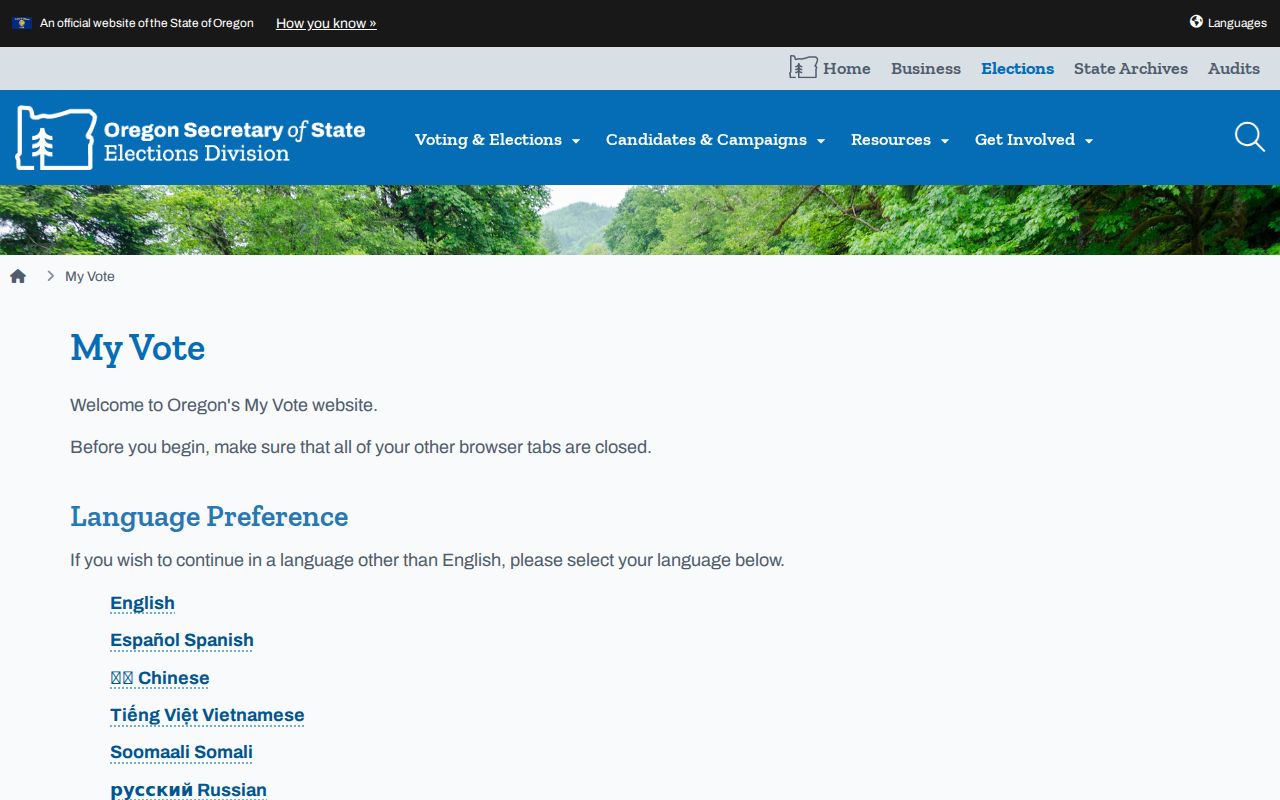
Oregon My Vote lets a voter check registration. A voter can also view or update personal details there. It tracks ballot status, and it lists elections contacts and ballot-drop sites. It is not a browse-by-street tool. The official voter-list route works differently. Any person may request a statewide or less-than-statewide electronic list. Hard-copy, label, and other non-electronic requests go to the relevant county elections office.
| Official route | Use and boundary |
|---|---|
| My Vote | Personal voter self-service, not another person’s public lookup. |
| State voter-list request | Electronic statewide or smaller-scope list request; allow 10 business days under the current state page. |
| County elections office | Hard-copy, label, and other non-electronic less-than-statewide requests. |
The Oregon My Vote page describes the self-service functions available to an individual voter.
Oregon treats voter lists as controlled data. The statewide list costs $500. A smaller electronic list runs $25 plus $0.025 per 100 records, with a 10-business-day allowance for processing. That fee schedule makes it a records product, not a casual residents directory. The Oregon voter-list request page spells out the terms. Public fields and confidentiality limits come from state law. Participation history never reveals ballot choices.
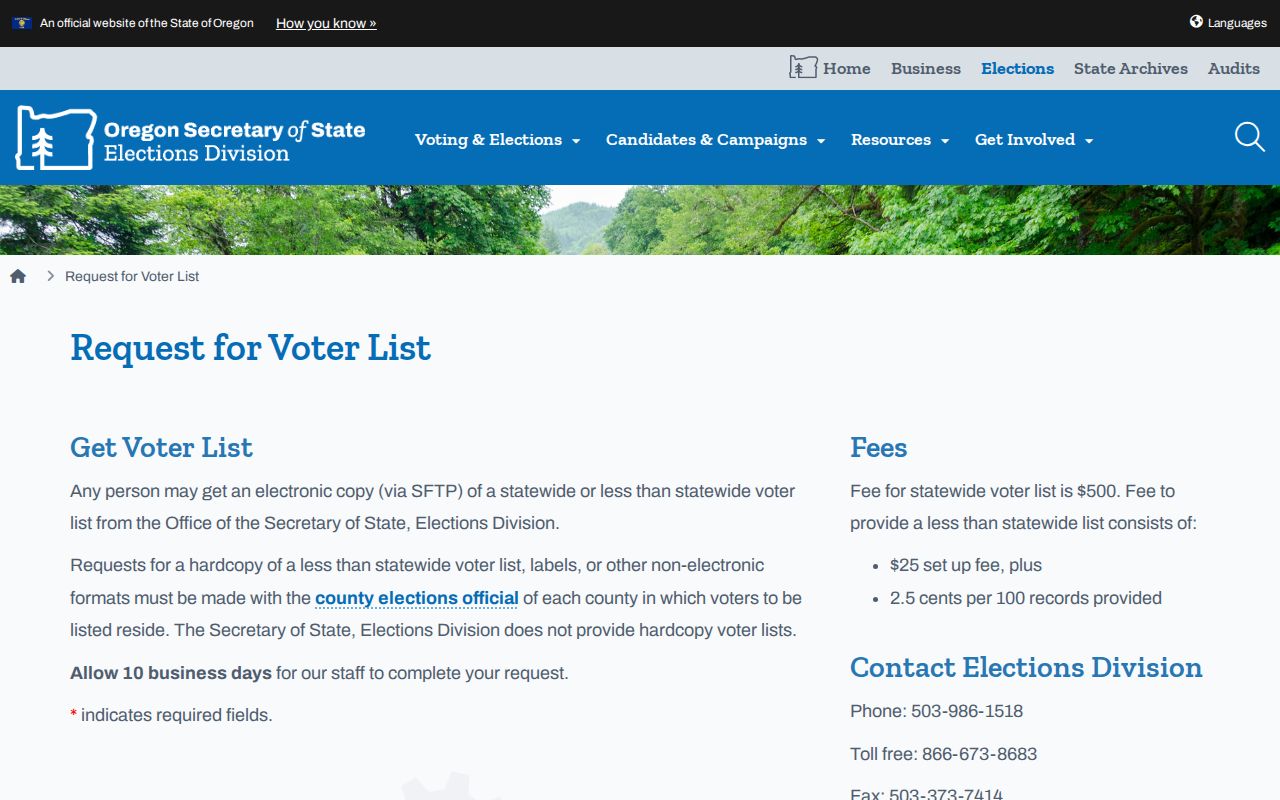
A requested voter list stays official data, not a Tualatin resident lookup substitute. Protected addresses, signatures, driver-license details, Social Security numbers, and disability information remain sealed. None of it forms a complete household record.
Tualatin Court and Vital Limits
Both Washington and Clackamas County circuit matters run through Oregon Judicial Department services. OJD's free record search covers basic case details, party names, event entries, and dispositions. It does not hand over documents. Some cases sit behind confidentiality rules. For a permitted copy, ask the clerk for the right county. Name the court, party name variants, date, case type, or case number.
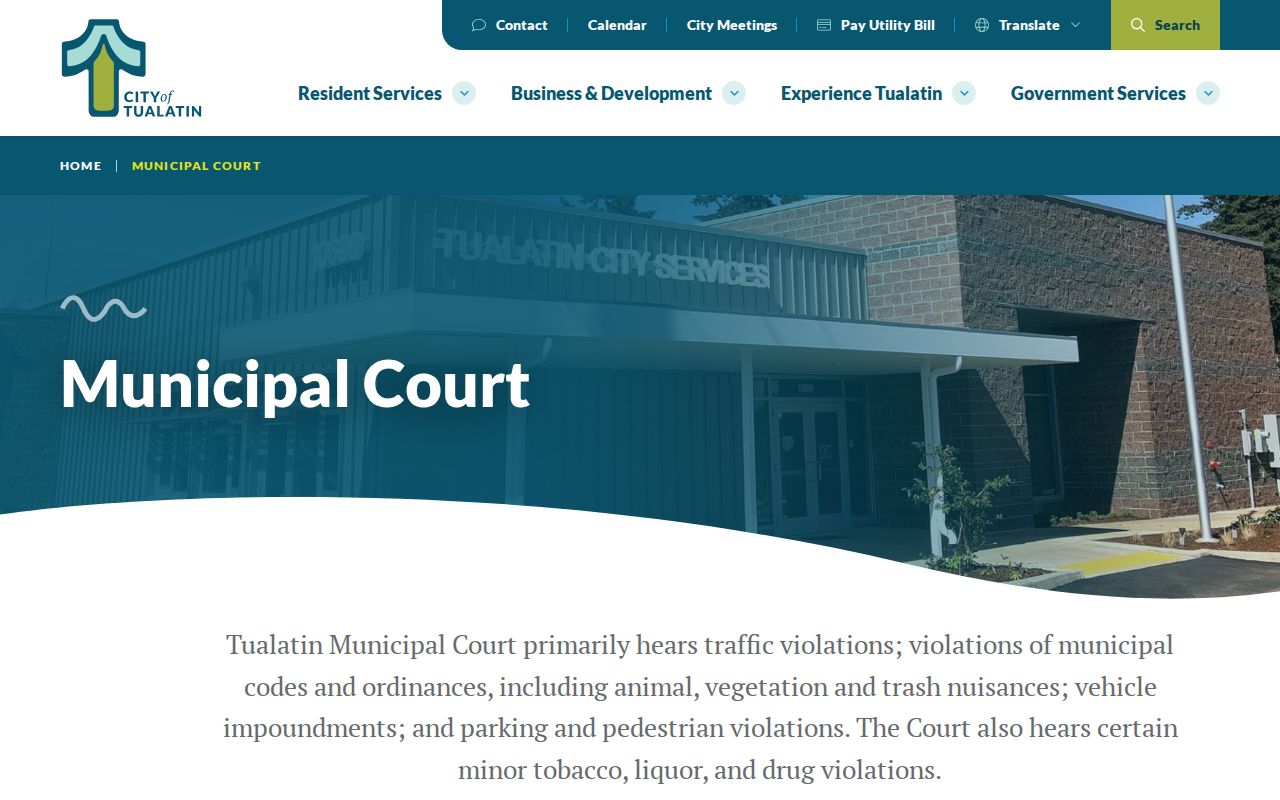
Tualatin Municipal Court handles local traffic and court administration. It publishes no public party-name docket. Circuit searches go through OJD. City-held records belong with the City court clerk or City Recorder. Oregon vital certificates carry their own eligibility rules. These include a 100-year restriction for births and 50-year limits on other vital records.
The Tualatin Municipal Court information page documents the local court channel. It offers no online resident search.
Start with OJD's court-record search route for statewide circuit matters. Then use the appropriate clerk's records process to reach an accessible file.
Tualatin Records Requests Fill Gaps
City records that never reach the web still exist on paper. A written request to the Deputy City Recorder opens the door. The City takes its online form or any letter. Both need the same details: address or name variant, record series, department, date range, and how you want delivery. Acknowledgment comes without unreasonable delay within five business days. Staff supply a cost estimate when needed. They waive research charges for the first half-hour. Staff also ask for written confirmation once an estimate is on the table.
Some files sit elsewhere. Tualatin Police Records handles police reports. The court clerk keeps court files. The county recorder or the State Archives route covers recorded instruments, current or historic. Oregon Public Records Law opens access to existing nonexempt records. It does not force a public body to build a people list. Nor must a public body hand over protected information.
The City of Tualatin request form offers review at City offices. E-mail, mail, and pick-up round out the delivery choices.
Tualatin Permit Records by Address
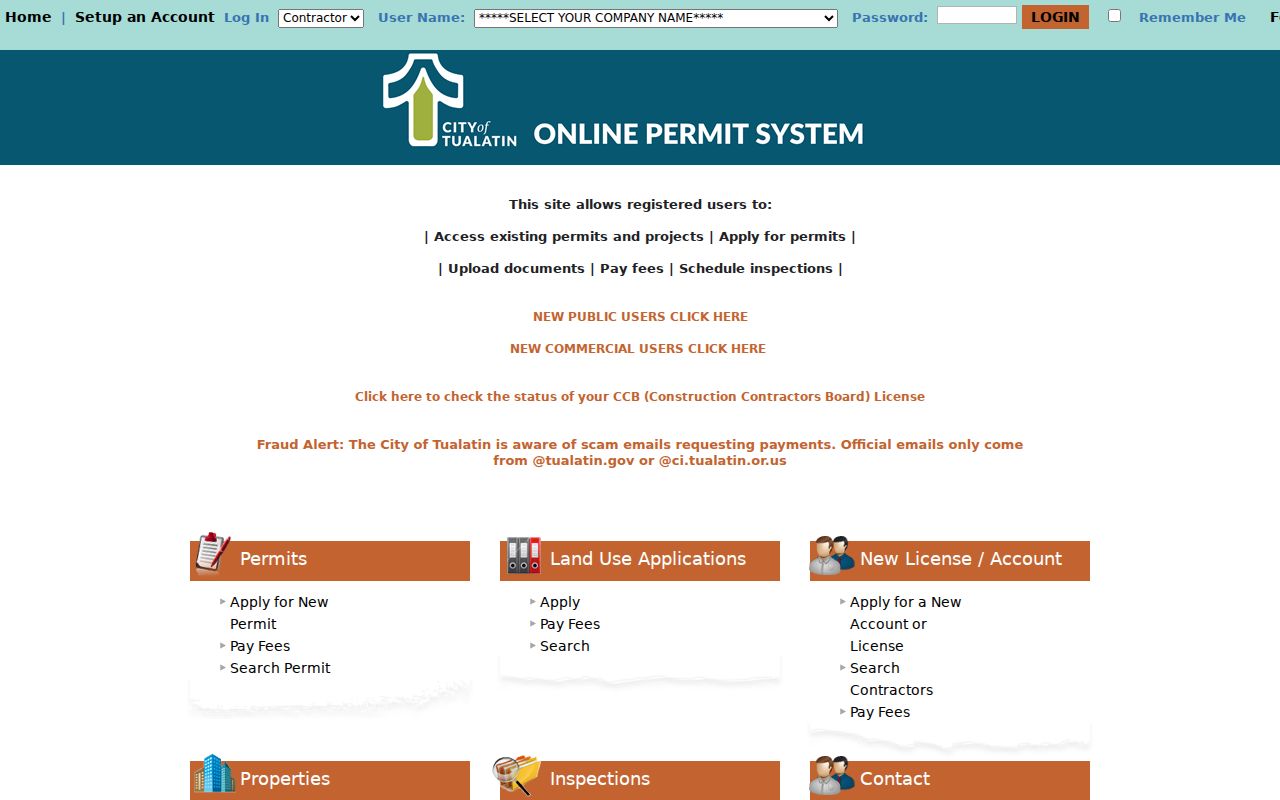
Tualatin eTRAKiT is the City's online bridge to permits, land-use cases, plans, inspections, project status, fees, and historical research. Its value for a residents directory search is narrow. It connects one address or project to a permit number. It also ties that number to a dated City file. Save the number, project date, and address. If an older plan seems absent, request the existing file from the City. Do not treat the public screen as the full history.
The public property route offers Search By, Search Operator, and Search Value controls. It also includes record areas for parcel, owner, restriction, land use, building, legal description, and inspections. The permit-search route requires a login. Older City information described guest searching, so confirm unauthenticated permit fields and coverage live. The Tualatin eTRAKiT portal anchors any permit, property, or contractor lookup.
A permit applicant, contractor, or owner in a project file holds a recorded project role. That role alone does not prove present residence in Tualatin.
Tualatin Names Change in Archives
Older local research needs more than today's spelling. Tualatin history traces Galbreath ferry service and the Bridgeport name after the first bridge. There was also a railroad-era town plat, and City incorporation came in 1913. Historical Society material also flags an early-post-office spelling, Tualitin. Search Tualatin, Tualitin, Bridgeport, and Galbreath across old maps, newspapers, oral histories, and archive indexes. Compare any hit to a tax lot, legal description, date, or documented relationship.
This quirk has practical value for a city directory search. A historic source may cite a bridge, ferry, rail line, or mill. It could also name a Donation Land Claim instead of a modern subdivision. City ordinances and annexation records can tie later street descriptions to tax-map lot references. No official source records a citywide street-renumbering event. So resist inventing one when an old address will not line up. Tualatin's City history lays out the place-name sequence that frames an older search.
Historical Tualatin Resident Sources
Old Tualatin records sit on separate shelves. No single catalog ties together continuous Tualatin city-directory, reverse-directory, obituary-index, or newspaper-microfilm years. Reference staff at Tualatin Public Library can check the local catalog. They can also check WCCLS resources, licensed databases, and referral paths. Bring the address, the year, and the directory type. Bring the publisher and the volume before treating an entry as evidence.
Washington County's deed and index series spans 1847 to 1977. Index microfilm runs from 1850 to 1977. Direct and indirect versions are both documented. Different pieces survive at the State Archives. Other pieces sit in the Recording Division office area and along storage routes. Probate, marriage, census, photographs, oral histories, and the Historical Society can add family context. Tie each item back to a date and a property or relationship. A collection-by-collection approach belongs with the Tualatin city directory resources.
Start locally. Ask the Tualatin Public Library first. The Washington County archives inventory identifies the historical deed, marriage, probate, and court-series routes. A past-residents search may need them.
Tualatin Research Has Privacy Boundaries
Oregon records carry purpose-specific limits. Some voter addresses stay off the rolls. Address-confidentiality and election-worker protections cover qualifying entries. The Oregon Address Confidentiality Program gives eligible survivors a substitute address and mail forwarding. Vital certificates, protected court matters, and exempt portions of public records stay closed even when another record type is public. An unavailable result is unavailable in that source, not proof a person does not exist or does not live nearby.
Oregon's public-records law permits requests for existing nonexempt records. Custodians may redact protected portions. Verify any record with the office that maintains it, especially where a City boundary, county line, old name, or dated property relationship could change the answer.